


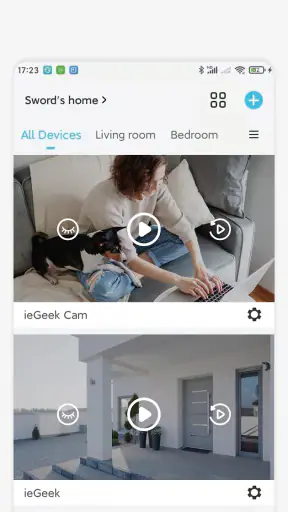
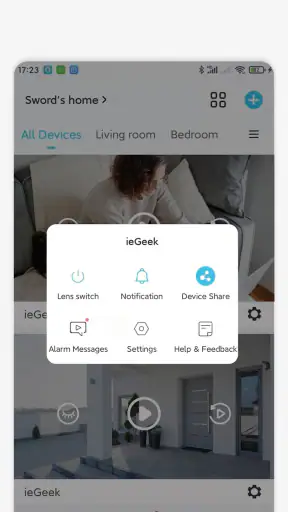
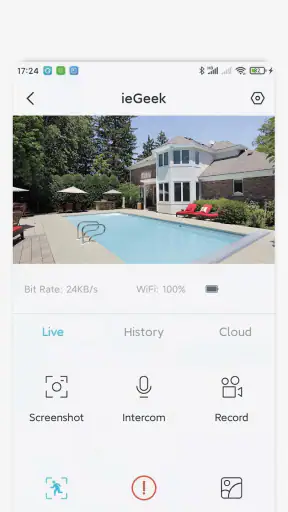
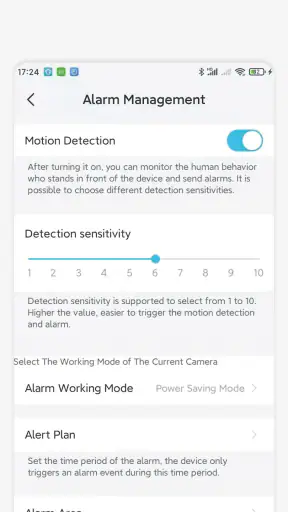
When I first opened ieGeek Cam, I understood its appeal almost immediately: it is built to put a compatible security camera on my phone without making the setup feel like a technical project. As a tools app from SHENZHEN GLOBALEBUY CO., LTD., it focuses on viewing and managing a camera system rather than trying to become a general smart-home dashboard. That narrow purpose is useful, especially when I want a quick look at a room, entrance, garage, or another familiar place.
The first impression is helped by the fact that the app is free to install. It is rated for Teen users, runs on Android devices using version 6.0 or later, and has reached more than one million installs. Those details make it approachable for households using older phones as well as newer devices. Still, I would not judge it only by how quickly it opens or how simple the first connection feels. A camera app earns its place through repeated use: checking in without frustration, responding when something matters, and staying manageable after the initial excitement disappears.
What the first week feels like
During the first week, the main attraction is convenience. Instead of walking to the camera or relying on a separate monitor, I can use the phone as the viewing point. That changes the way I think about a camera. It becomes something I can consult while doing another task, whether I am checking an entryway before leaving, looking in on a quiet room, or confirming that a familiar area is undisturbed.
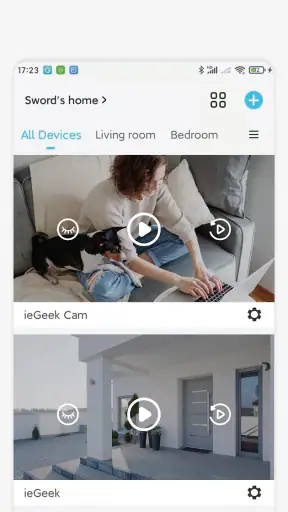
The app’s simple identity works in its favor here. It is not trying to overwhelm me with unrelated tools. The store presents it as an easy-to-use surveillance system app, and that description matches the basic experience I expect from it: open the application, find the connected camera, and use the phone as the practical control surface. For someone who wants a dedicated companion for an ieGeek camera rather than a broad collection of smart devices, that focus feels sensible.
One useful habit is to decide in advance what I actually need from the camera. If the goal is occasional visual checks, the app can feel pleasantly direct. If I expect it to replace a full security service, provide constant professional monitoring, or coordinate equipment from many manufacturers, disappointment is more likely. The app is best understood as the mobile layer for a compatible camera system, not as a complete answer to every security concern.
The first-week test I recommend is simple: use it at different times of day and from the locations where you will realistically need it. A camera app can seem excellent when tested beside the camera and less convenient when used from another room, outside the home, or during a busy routine. I also pay attention to whether I can identify the right camera quickly and whether the controls make sense when I am not concentrating. That matters more than a polished first launch.
Another early insight is that the phone itself becomes part of the surveillance workflow. Notifications, battery habits, network conditions, and the way I hold the device all affect how useful the experience feels. I prefer to keep the app in a predictable place on my phone and avoid treating every alert as urgent. A camera produces value when it helps me make a decision, not when it constantly interrupts me.
The audience response suggests that this straightforward approach works for many people. The app has an average rating of 4.4 from around 20 thousand ratings, alongside roughly one thousand written reviews. I read that as a sign of broad satisfaction, but not proof that every installation will be effortless. Camera apps depend on the particular hardware, home network, phone settings, and expectations of the person using them.
Useful routines instead of novelty
A realistic everyday scenario is arriving home while carrying groceries. Rather than putting everything down to inspect a camera view manually, I can use the phone to check the area I care about first. Another is looking at a room before calling someone to investigate a sound. These are small actions, but they show where a dedicated camera companion can become part of a routine.
For a family, I would establish clear viewing habits rather than asking everyone to open the app randomly. One person might handle routine checks while another uses the camera only when a notification or concern appears. This reduces duplicated checking and makes it easier to notice when the app is genuinely useful. It also prevents the common mistake of installing a surveillance app and then forgetting what role it is supposed to play.
I would also label the purpose of each camera in ordinary language if the system allows it. A name such as “front entrance” is easier to recognize under pressure than a model number or an installation nickname that made sense months earlier. This is a small organizational choice, but it becomes important when multiple views are involved.
Does it keep earning space after the first month?
The longer-term value of ieGeek Cam depends less on novelty and more on repetition. In my experience, a camera app survives on the phone when it answers a recurring question quickly: is everything normal right now? If I repeatedly receive a useful view and can act on it, the app becomes part of my routine. If I open it only to troubleshoot a connection, it starts to feel like maintenance software rather than a daily tool.
The strongest use case is a fixed location with a clear purpose. A camera aimed at an entrance, a storage area, or a room that needs occasional checking gives the app a stable job. The weaker use case is installing it without deciding what should trigger a check. In that situation, I may spend the first week exploring and then stop opening it because the app has not solved a defined problem.
There is also a trade-off between convenience and attention. Having a live camera view available can provide reassurance, but repeatedly checking it can become a habit with very little practical benefit. I would rather create specific moments for checking than turn the app into a constant source of visual distraction. That approach preserves the useful part of remote access while limiting the fatigue that often causes people to abandon security tools.
The current version is 6.2.1, which gives the app a reasonably current point of reference for someone deciding whether to try it. I still judge updates by their effect on ordinary tasks rather than by the version label itself. For a camera companion, stability is more valuable than a long list of changes that I never use. A small improvement that makes opening the camera or finding a device more dependable matters more to me than novelty.
Its free price also lowers the barrier to trying it, but free installation should not be confused with a completely cost-free ownership experience. In-app purchases are listed from $1.99 to $359.99 per item. That is a wide range, so I would examine any purchase screen carefully before confirming anything and decide which functions are essential to my routine. A person looking for a permanently free, predictable experience may be more comfortable with an option whose paid structure is easier to understand at a glance.
This is one of the most important long-term questions: does the app remain useful without encouraging me to buy features I did not originally need? The answer depends on the camera setup and the functions I expect to use. For occasional viewing, the free entry point may be enough to justify keeping it. For advanced or continuing services, the possible cost deserves attention before the app becomes embedded in my household routine.
Maintenance is part of the product
Security cameras are not truly “set and forget” devices, and the app cannot remove that responsibility. I would periodically confirm that the camera still appears in the app, that the phone can reach it when needed, and that the viewing position still covers the intended area. Furniture moves, lighting changes, and household routines shift. A camera that was well placed several months ago may no longer show the most useful view.
I also recommend a monthly practical check rather than waiting for a problem. Open the app when there is no emergency, inspect the relevant camera, and make sure the workflow still feels familiar. This is particularly important if several people share responsibility. The worst time to discover confusion is when someone is already worried and cannot remember which device or screen to select.
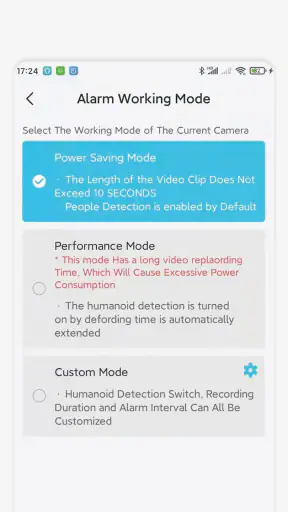
Another maintenance issue is attention management. If alerts or camera checks become too frequent, I am more likely to dismiss them automatically. I would rather refine the routine so that the app supports awareness without demanding constant reactions. The exact controls available can depend on the connected equipment, so I would test the behavior with ordinary daily activity before trusting it for anything important.
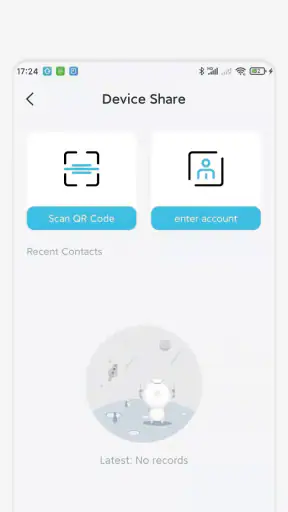
Privacy also deserves a deliberate conversation in any household using a camera. I would agree on where the camera points, who should access the app, and when viewing is appropriate. This is not a feature claim about ieGeek Cam; it is a practical responsibility that comes with using any phone-based surveillance system. A convenient view can still create tension if family members or visitors do not understand how it is being used.
For older devices, the minimum operating-system requirement of Android 6.0 or later is helpful, but compatibility is only one part of the experience. A phone may technically run the app and still be inconvenient if its battery is weak, its notifications are heavily restricted, or its network connection is unreliable. I would use a reasonably dependable phone for regular monitoring rather than treating an old spare device as automatically suitable.
Where the routine starts to feel tiring
The first source of fatigue is uncertainty. If I am not sure whether a notification needs action, each alert costs attention. Over time, that can make me ignore the very event I wanted the camera to help me notice. The solution is not to check constantly; it is to define what matters and use the app in a way that supports that definition.
The second source is dependence on a phone. A dedicated monitor can be easier for someone who wants a screen in one location, while a mobile app is better for someone who wants access while moving around. Neither approach is universally superior. I prefer ieGeek Cam when portability matters, but I would consider a dedicated display or another platform if a household needs an always-visible view that anyone can glance at without unlocking a phone.
The third is ecosystem commitment. Because this app is designed around an ieGeek camera system, it makes the most sense when the hardware already belongs to that ecosystem. Someone starting from scratch and comparing many camera brands may prefer a broader smart-home application that brings different manufacturers together. That alternative can reduce the number of separate apps, although it may also introduce a more complicated interface.
There is a similar trade-off with professional security services. A phone app can make a camera accessible and convenient, but it is not a substitute for trained monitoring, emergency response, or a complete security plan. I would choose this app for personal observation and routine awareness, not as the only protection for a high-risk property. That distinction is important because an attractive live view can create a false sense of coverage.
Finally, paid options can create hesitation. The listed purchase range reaches as high as $359.99 per item, so I would not tap through a premium prompt casually. Before paying, I would identify the exact problem the purchase solves, whether it affects my everyday use, and whether I am comfortable with the ongoing role of that feature. If the answer is unclear, keeping the basic workflow simple is the safer choice.
Who should use it, and who should look elsewhere?
I think ieGeek Cam is a good fit for someone who already owns a compatible ieGeek camera and wants a focused way to check it from an Android phone. It also suits people who value a simple, dedicated tool over a large smart-home platform. The free installation makes experimentation easy, and the Teen content rating gives families a clear age reference when deciding who may use it.
I would be more cautious recommending it to someone who wants one app for cameras, lights, locks, speakers, and equipment from many brands. That person should compare cross-platform alternatives first. I would also steer away from it as the sole solution for a property requiring professional oversight. The app can be useful within a broader plan, but a camera view alone does not cover every security need.
It may also be a poor match for anyone who dislikes recurring digital upkeep. If opening an app, checking a camera, reviewing alert behavior, and thinking about access permissions already sounds burdensome, the convenience may not last. A simpler physical monitoring arrangement could be a better fit, even if it offers less flexibility.
My long-term verdict
After the first-week appeal fades, ieGeek Cam still has a sensible reason to remain installed: it turns a compatible camera into a practical phone-based check-in point. Its value is strongest when I give it a defined job, build a light routine around that job, and resist the temptation to treat every alert or live view as equally important.
I like the focused design and the low barrier created by free installation. The app’s 4.4 average and more than one million installs show that it has found a substantial audience, while the current 6.2.1 version gives new users a clear starting point. At the same time, the wide in-app purchase range means I would review costs carefully, and I would not mistake mobile convenience for professional security coverage.
My honest recommendation is therefore conditional but positive. If your camera belongs to the ieGeek ecosystem and you want remote viewing without adding a general-purpose smart-home platform, this app is worth trying. Give it a specific everyday purpose, test it during the situations that matter, and perform occasional checks so the routine does not quietly fail. If you need multi-brand control, an always-on household monitor, or professional response, another option will probably serve you better.
The lasting value is not in opening the app once; it is in whether the camera answers a recurring question without creating more work than reassurance. Used that way, ieGeek Cam earns a reasonable place on my phone rather than becoming another forgotten security download.


